For parents of young men 13-17 · Founding cohort · Fall 2026

You can't clear
the road.
Build the man
who walks it.

Life is going to test him. This builds the mindset, the courage, and the habits that decide what happens when it does.

Why it matters

Every man gets tested.
Few get trained.

No matter how well you parent, life is going to test him. A failed tryout, a hard year, a door that closes. What decides who he becomes is not whether the setbacks come. It is what he does when they do. That is not something you can hand him. It is something he builds, and this is where he builds it: the mindset, the courage to act without certainty, and the habits that hold when things get hard.

There is something in your son. A talent, a drive, a way of seeing things that is his alone. Most young men never learn to back it, because the first real setback convinces them to shrink. Not because they were weak. Because nobody ever showed them what to do with a hard moment.

That is what this teaches. How his mind works under pressure. How to hear the voice that talks him out of things, and act anyway. How to lose a round without deciding he is a loser. How to build the daily habits that make confidence a fact instead of a feeling.

School grades his math. Nobody grades his courage or his resilience, and those are the two that decide his life. Without them, a man does and feels whatever the world hands him. With them, he decides.

He knows the homework needs doing. He knows the 1am scroll wrecks tomorrow. He knows he should have started the assignment last week. He knows all of it, and he watches himself do the other thing anyway.

The boy who learns to push through at 15 becomes the man everyone counts on at 30. The boy who quits when it gets hard becomes the man who quits. Same starting point. Different pattern. Completely different life.
Phase One · The Reset

What he learns to see

Most of what a young man hears is direction. Do this, not that. It slides off, because it never reaches the thing underneath the choice. This starts there instead. The machine is the sequence that runs in his mind before he acts: a trigger, a thought, a feeling, and a voice that hands him permission, the same sequence running under every man. He cannot change what he cannot see. So first, he learns to see it.

01

The Loop

The seven steps every pattern runs, and the one place it can actually be broken.

02

The Voice

The voice in his head that talks him out of things before he tries. How to hear it, and take its power away.

03

His Triggers

Patterns are not random. He maps the exact times, places, and moods where his pattern fires, so he sees it coming.

04

The Story

The labels he carries as if they were facts. How to question them like a detective instead of believing them.

05

The Decision

A written decision, signed, in his own words. Who is driving. A handshake with himself that means something.

·

Ten minutes a day

A short morning routine and one honest line at night. Small enough that the voice cannot talk him out of it.

Seeing it is where it starts, not where it ends. A mind is not built by rules handed down from the outside. It is forged from the inside, through practice, one small rep at a time, until a steadier inner state is the one that runs by default. That is the real work. Not being told what to do. Building the man who does it on his own.

The path

See it. Build it. Become it.

Phase One · The Reset, available now.He learns to see the machine: the loop, the voice, his triggers, the story he tells himself. You cannot beat what you cannot see. It closes with a written decision in his own words.
Phase Two · The Build, in the fall.He builds with intention: the habits that hold when motivation runs out, what to do in the exact moment the urge to quit hits, and the confidence that comes from keeping his word to himself.
Phase Three · The Standard, in the fall.It stops being effort and becomes who he is. The habits run on their own, even on bad days. That is the point of the whole path.

The full path runs as a guided 12-week program alongside the school term, in the founding cohort this fall.

Where it comes from

I wrote what I wish
someone handed me at 15.

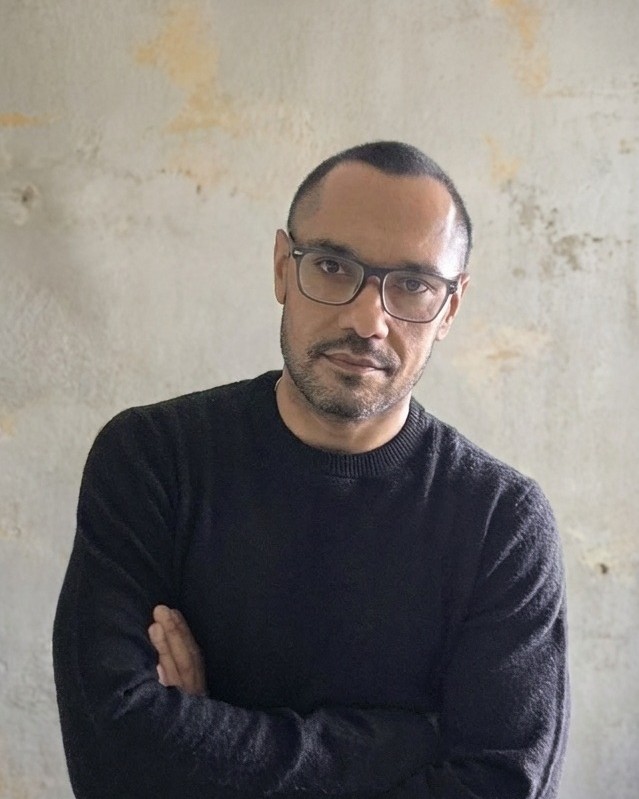
Taran Aujla, founder of ALFA Rebuild
Taran Aujla Founder LinkedIn ↗ Full story at alfarebuild.com ↗

I built ALFA Rebuild after years of running on a pattern that quietly took my focus, my health, and my edge. I rebuilt it at 40, in the order that actually holds: mind first.

Now I guide a select number of high-functioning men through that same rebuild at alfarebuild.com. Different men, different lives, and almost every time it is the same story. At some point each one says a version of the same line: he wishes he had learned to think this way in his youth, before the years he cannot get back. You cannot hand a grown man those years. You can give them to your son now.

That is the thought that would not leave me. So I took the same system, the same proven principles, and wrote them plainly for a young man between 13 and 17. Same house. Same design. Nothing dumbed down.

How it works

You hand it over.
Then you let it be his.

This is not something you run on your son, and not something you have to nag him through. It is his to read and work through, and it treats him as a young man capable of understanding himself, because he is. That is why he actually does it.

What it asks is small: a few pages, ten minutes a day, honest answers on paper he does not have to show you. That part matters. The moment he is writing for a parent to read, he writes the impressive answer instead of the true one, and only the true one works. In the program he gets one objective set of eyes on that honesty, which is exactly what a parent, standing that close and caring that much, cannot be.

What it builds is the thing school does not grade: a young man who runs his own mind.

What it involves

Simple to run. Built to fit his life.

About 30 to 40 minutes a day.A short morning routine, the day's reading, and a few honest answers at night. Small enough to hold, even in a full week.
Done at home, on his own time.Nothing is in person. There is no set hour to be online and no class to sit in. It fits around school, sport, and everything already on his plate.
One live video session each week.Led by the founder himself, with a small founding group. Close enough to stay personal, so no one is just a name on a screen.
Three phases, about twelve weeks.Running alongside the school term. Each phase builds on the last, until the habits hold on their own without being pushed.

You hold the account and every message comes to you. Applying puts no obligation on you and costs nothing. The full details, enrollment included, go to applicants by email at the end of summer.

You cannot promise him a smooth road. You can send him down it trained. Cohort one begins this fall. It starts with Phase One, ready to begin tonight.

Step one · Available now

The program begins with Phase One.

The Reset, the first phase of the Young Men's Edition. Around 30 pages he reads and works through, instant PDF, ready tonight. The fall program builds on it, so the founding cohort starts here. Bought by you. Done by him.

Get Phase One · $19

Credited toward founding enrollment. Written for the high school years, 13 to 17. Strong younger readers welcome.

Step two · Founding cohort

30 places. Fall 2026.

Cohort one is guided personally by the founder, week by week, through all three phases. Thirty places because that is the number one man can guide properly. The next cohort will not run this way.

Applying is free and takes two minutes. Applicants receive the founding enrollment offer by email in August, before anything opens publicly.

  • One of 30 places, in application order
  • The founding rate, locked, never offered again
  • Your $19 for Phase One, credited toward enrollment
  • First right to your son's place before public release

No payment now. No obligation. All communication goes to you, the parent.

Not sure yet

Read the first chapter free.

The note written for you, and the opening chapter he reads. See exactly how it speaks to him, and to you, before you decide anything. No cost, no sign-up.

Read the free sample →

A short PDF. The parent's note plus Chapter One.

Questions parents ask

Before you decide.

How much does it cost?

Phase One is $19, and he can start it tonight. The twelve-week program has its own enrollment, and founding applicants receive that offer, with the founding rate locked, by email at the end of summer. Applying now costs nothing and commits you to nothing.

How long does it last?

Phase One is his to keep, at his own pace. The full program runs about twelve weeks, in three phases, alongside the school term. It has a clear end. He finishes it, rather than signing up to something with no finish line.

How much time does it take each day?

About 30 to 40 minutes. A short morning routine, the day's reading, and a few written answers at night. It is built to fit around school, sport, and everything else already on his plate.

Is any of it in person, or at a set time?

No. Everything is done at home, on his own schedule. The one fixed point is a single live video session each week with the founder, kept small and personal. There is nothing to travel to and no daily class to attend.

What exactly does he learn?

Mind first. He learns to see how his own mind works under pressure, builds the habits that hold when motivation runs out, and grows into them until they run on their own. Phase One covers that first stage in full. The complete outline goes to applicants at the end of summer, once the founding cohort is set.

Do I have to teach it or supervise him?

No. You hand it over and let it be his. His written answers are his own, and he does not have to show them to you. You hold the account, and every message from us comes to you, the parent.

What age is it for?

Written for the high school years, 13 to 17. Strong younger readers are welcome. You know your son best, and the free sample lets you see how it speaks to him before you decide anything.

Is this therapy or treatment?

No. It is a private self-development program that teaches a young man how to run his own mind. It is not therapy, medical care, or crisis support.